Tap an animal to discover 10 amazing facts!
🐪 Camels
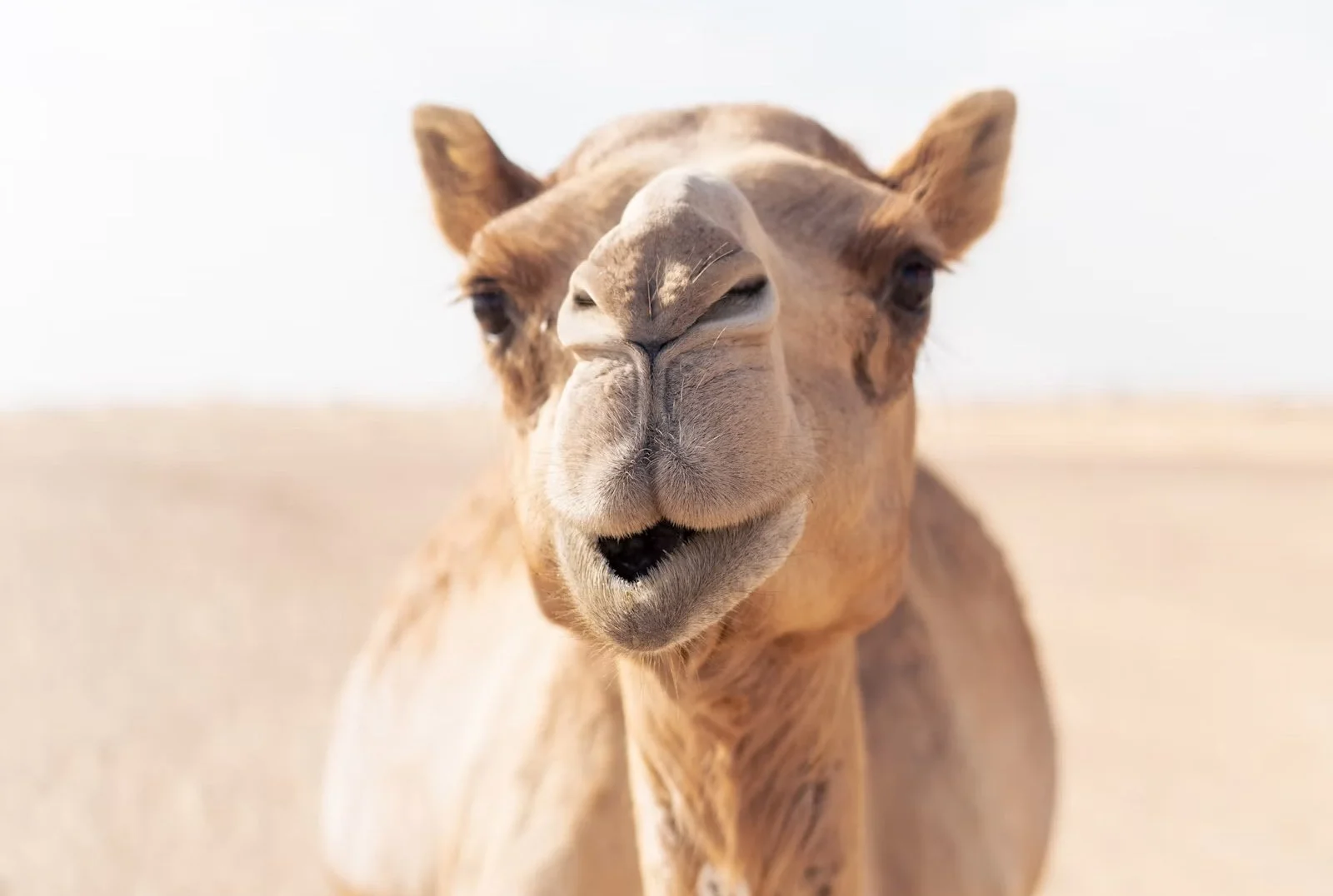
A camel's hump stores fat, not water.
Camels can close their nostrils during a sandstorm.
Long eyelashes help keep sand out of their eyes.
Their wide feet help them walk on soft sand.
Their thick lips can handle thorny desert plants.
Camels can drink a huge amount of water very quickly.
They can go much longer without water than most animals.
Camels have a third eyelid that helps protect their eyes.
Baby camels are called calves.
Camels can live for around 40–50 years.
🐑 Sheep
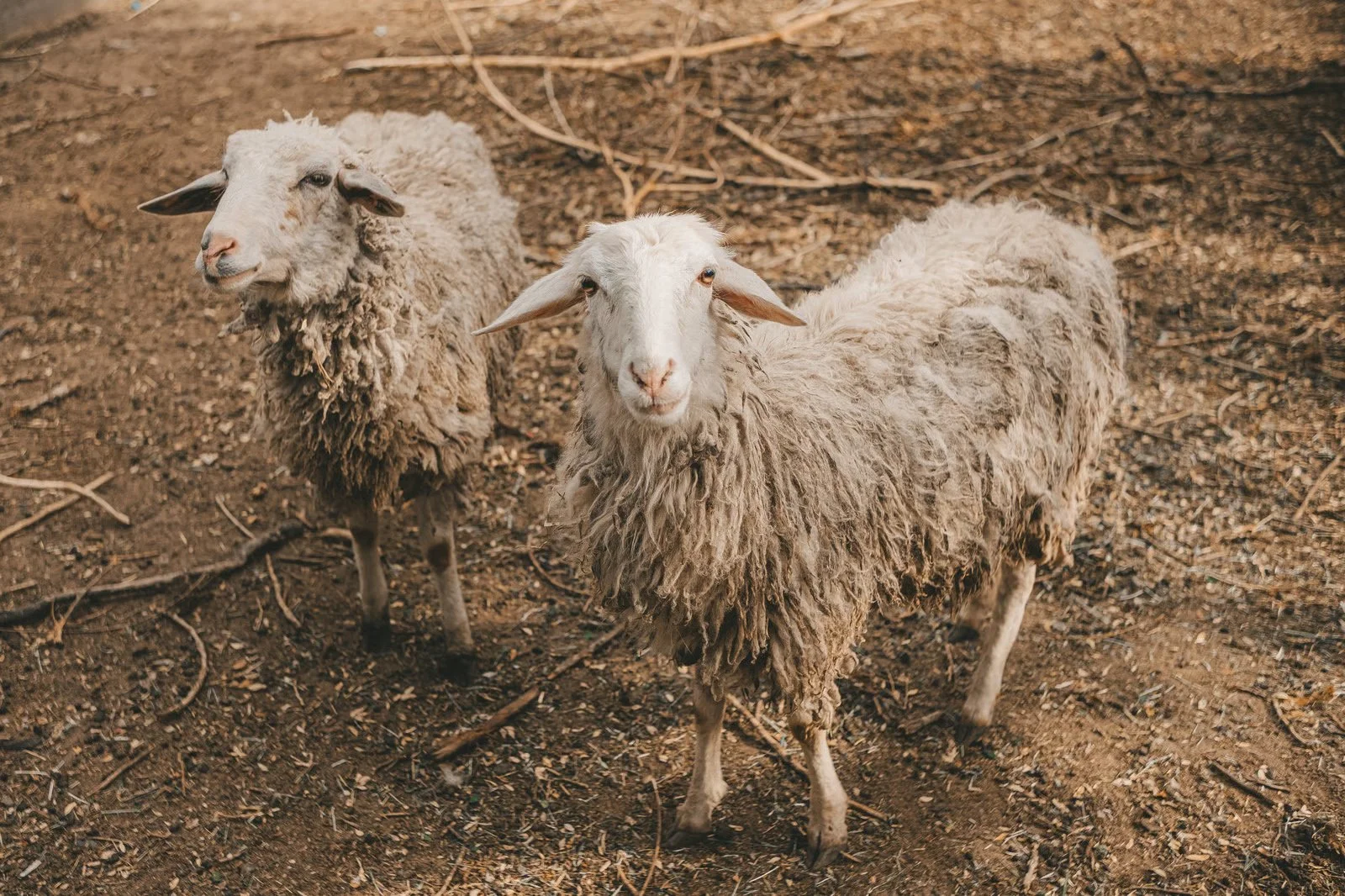
Baby sheep are called lambs.
Sheep usually feel safest when they stay together.
A group of sheep is called a flock.
Sheep have rectangular pupils instead of round ones.
Their wide vision helps them notice danger around them.
Sheep can recognize and remember other sheep's faces.
Most sheep grow a thick coat called wool.
Sheep chew their food again later. This is called chewing cud.
A sheep's stomach has four compartments.
Sheep communicate with each other by bleating.
🐐 Goats
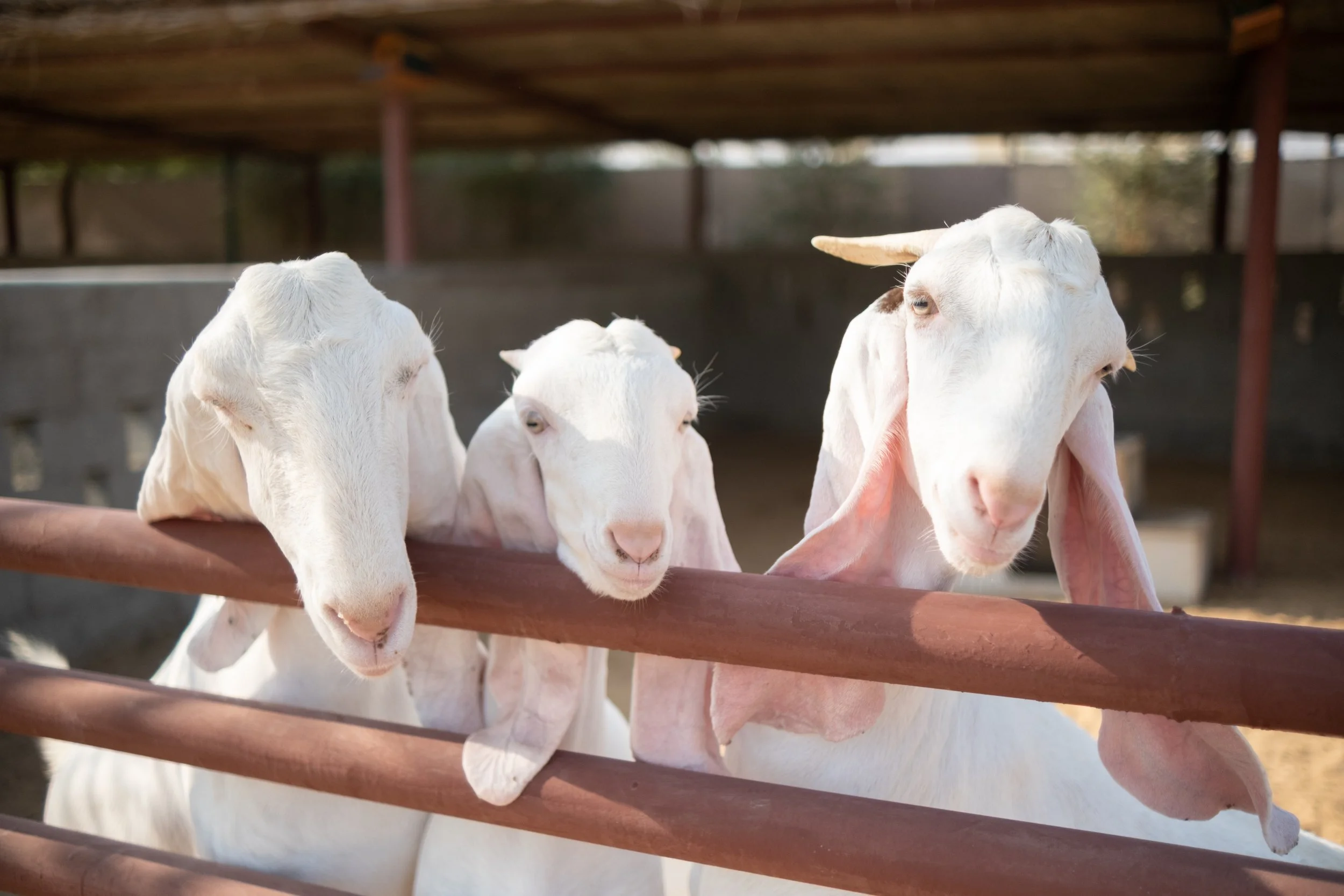
Baby goats are called kids.
Goats are excellent climbers.
Their rectangular pupils give them a very wide view.
Goats prefer leaves and bushes more than grass.
Goats do not really eat everything they see!
They often stand on their back legs to reach food.
Goats have a stomach with four compartments.
Many goats have horns, and some have beards.
Goats are very curious and like exploring.
A group of goats can be called a herd.
🐄 Cows
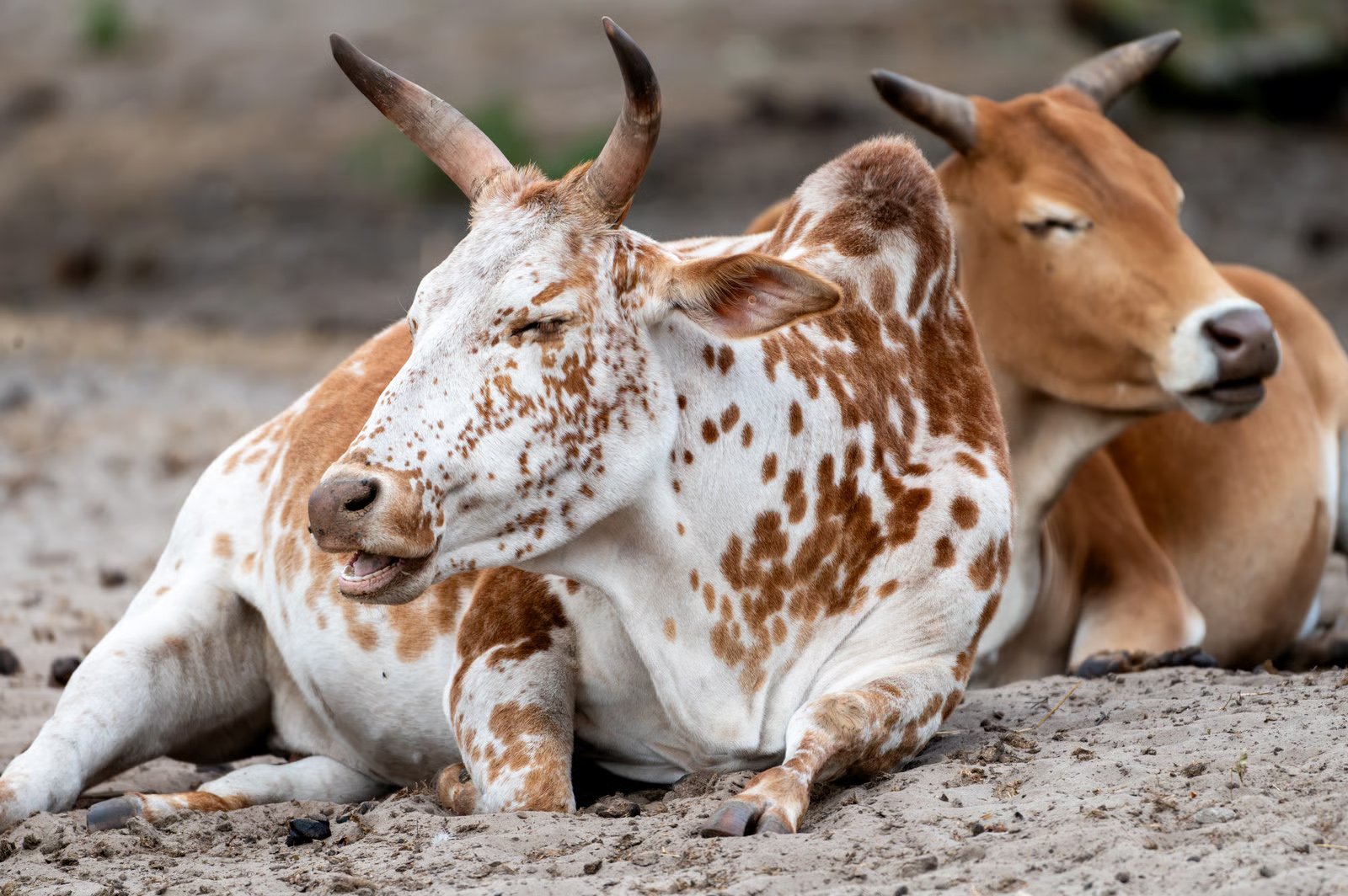
Baby cows are called calves.
Cows spend many hours every day eating and chewing.
They bring food back up and chew it again.
A cow's stomach has four compartments.
Cows have an excellent sense of smell.
Their tongues are long, strong and rough.
Cows are social animals and can have favourite friends.
They communicate using different kinds of moos.
Cows have a very wide field of vision.
Cows can doze standing up but lie down for deep sleep.
🫏 Donkeys
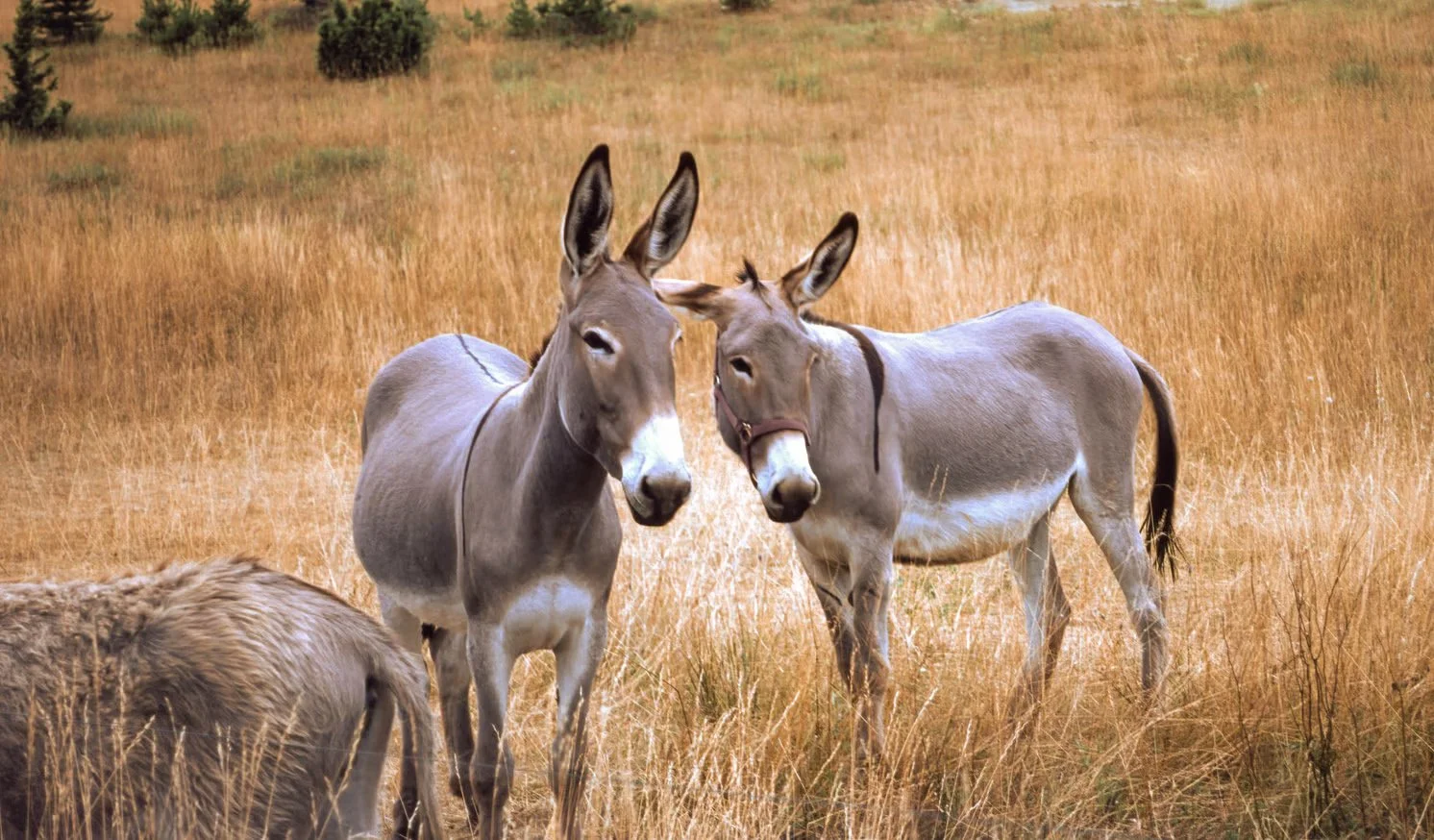
Baby donkeys are called foals.
Their long ears help them hear sounds far away.
Their big ears also help their bodies cool down.
Donkeys are well adapted to hot, dry places.
A donkey's loud call is called a bray.
Donkeys have very good memories.
A donkey may stop if it thinks something is dangerous.
Donkeys are very strong for their size.
They are social animals and enjoy having companions.
Their tails have a tuft of long hair at the end.
🐔 Chickens
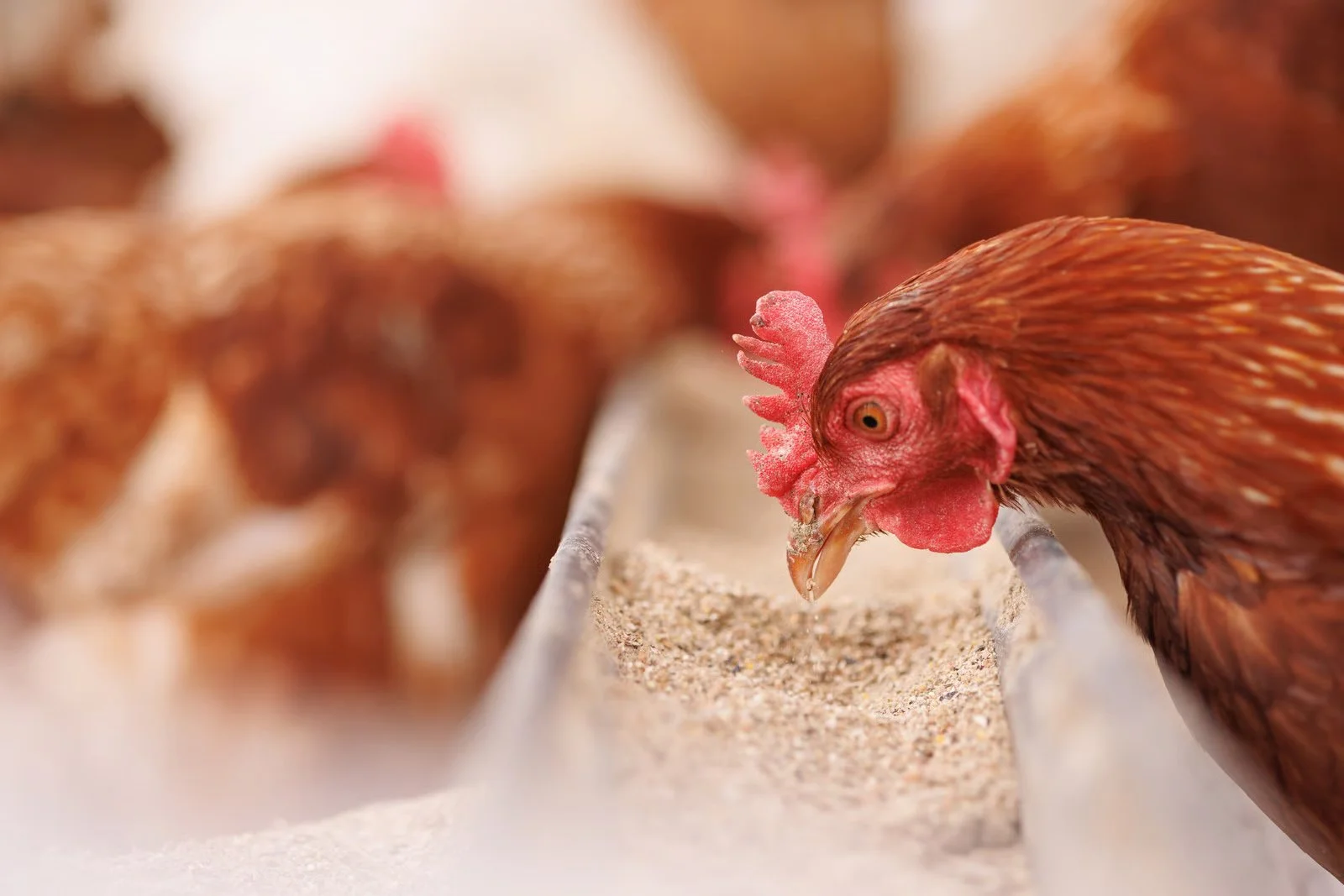
Baby chickens are called chicks.
Chickens have no teeth.
They use their beaks to pick up food.
Chickens scratch the ground to search for tasty snacks.
They take dust baths to help clean their feathers.
Chickens can see ultraviolet light that humans cannot see.
Chickens like to sleep on raised places called roosts.
Chicken eggs can naturally come in many colours.
Chicks can make sounds before they even hatch.
Chickens are living relatives of dinosaurs.
🐦 Sunda Zebra Finch
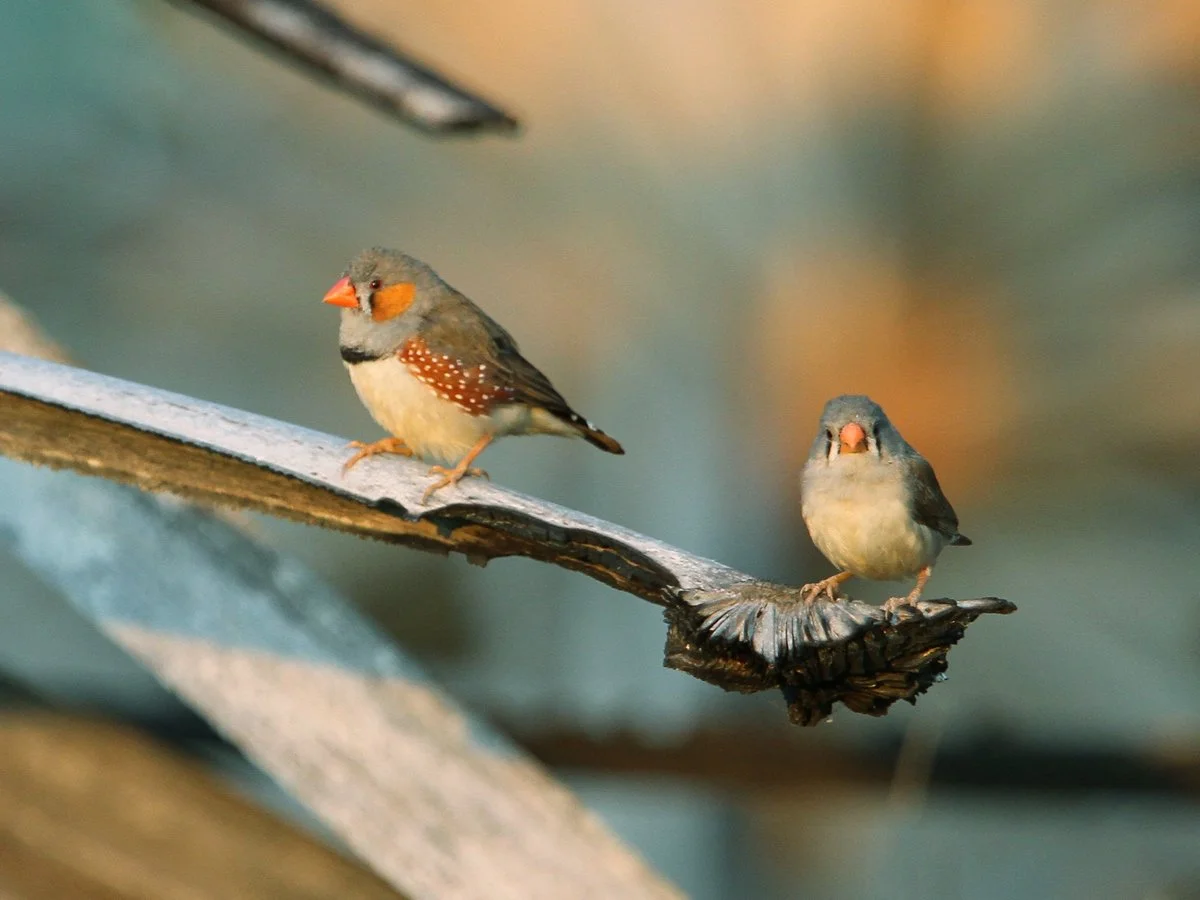
Zebra finches are small, energetic birds.
They get their name from the striped markings on their feathers.
Male zebra finches often have bright orange cheek patches.
They communicate with lots of tiny beeps, chirps and calls.
Zebra finches are very social and enjoy living in groups.
They mainly eat small seeds and grasses.
Their short, strong beaks are perfect for cracking seeds.
Both parents help care for their chicks.
They build small nests from grass and other soft materials.
Young zebra finches learn sounds by listening to older birds.
🦜 Parakeet
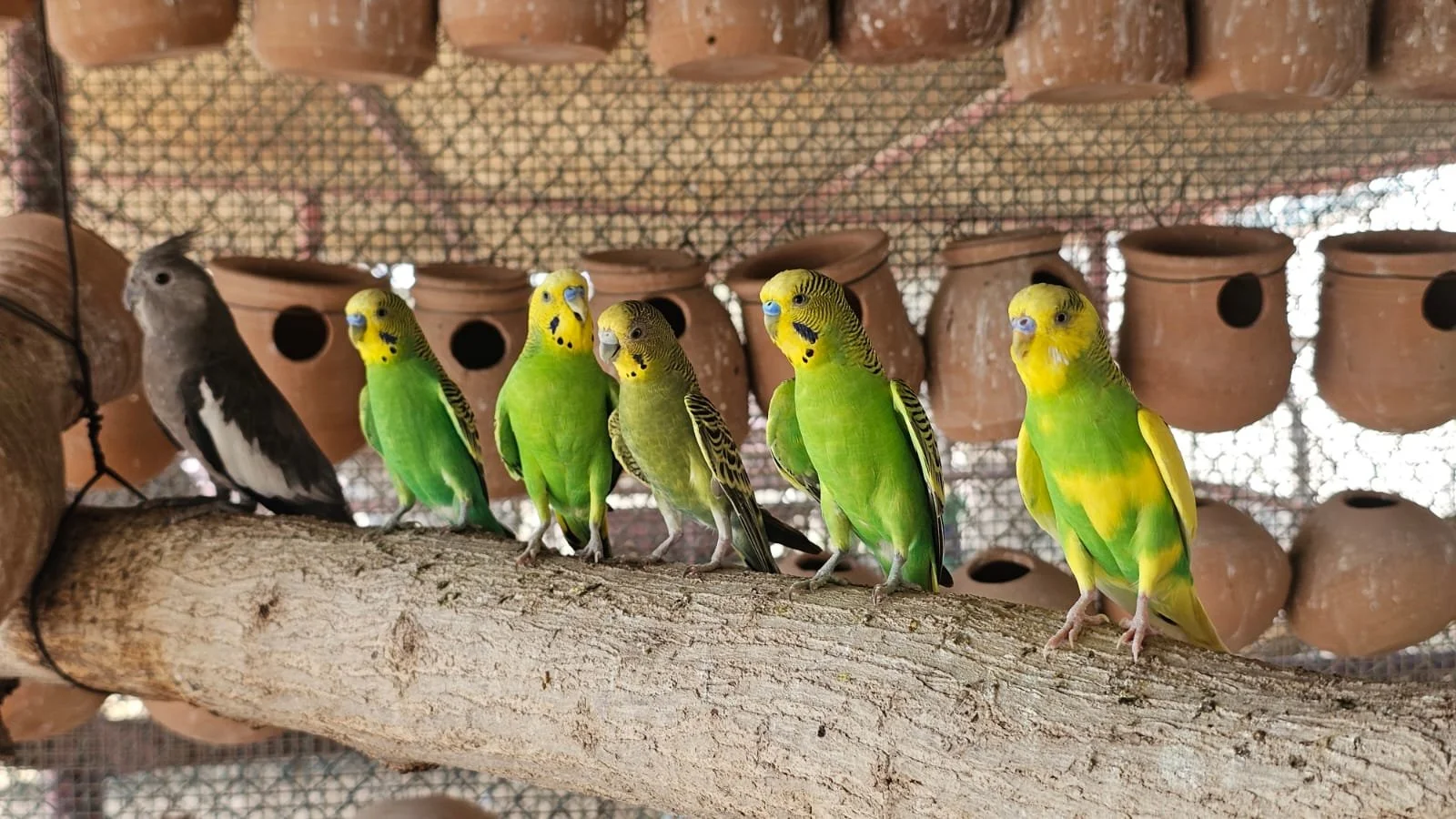
Parakeets are small members of the parrot family.
The popular pet parakeet is also called a budgie.
Wild budgies originally come from Australia.
Parakeets have strong, curved beaks for eating seeds.
Their feet can grip branches and help them climb.
Parakeets are social birds and like having companions.
They communicate using chirps, whistles and other sounds.
Some parakeets can learn to copy human words.
Wild budgies can gather in very large flocks.
Parakeets can turn their heads surprisingly far around.
🦜 Cockatiel
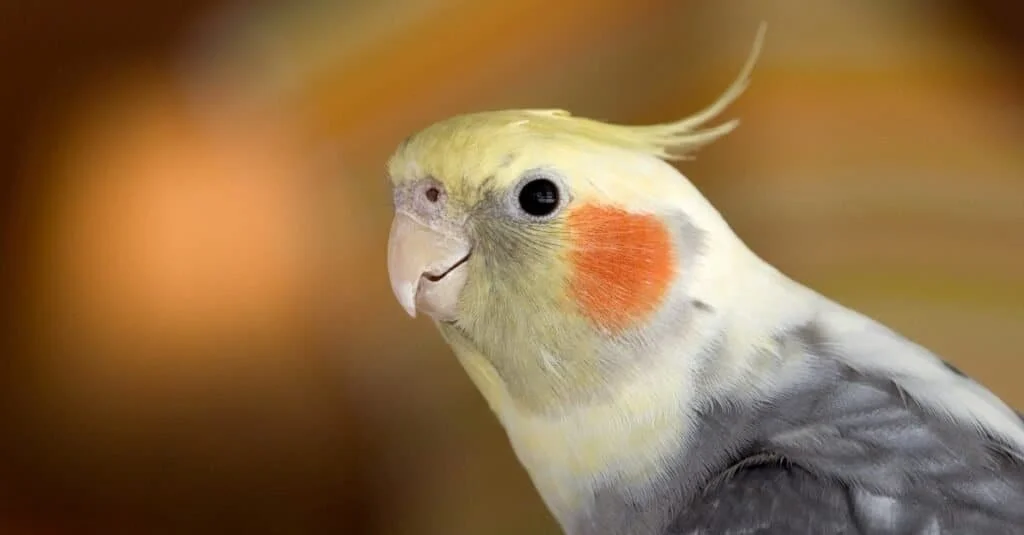
Cockatiels are members of the cockatoo family.
Wild cockatiels come from Australia.
The feathers on top of their head form a crest.
Their crest can help show how they are feeling.
Cockatiels are famous for their bright orange cheek patches.
They can learn to whistle songs and familiar sounds.
Cockatiels are social birds and enjoy company.
They use their curved beaks to crack seeds and climb.
Their long tail feathers can be almost as long as their body.
Cockatiel parents work together to care for their chicks.
🐦 Quail
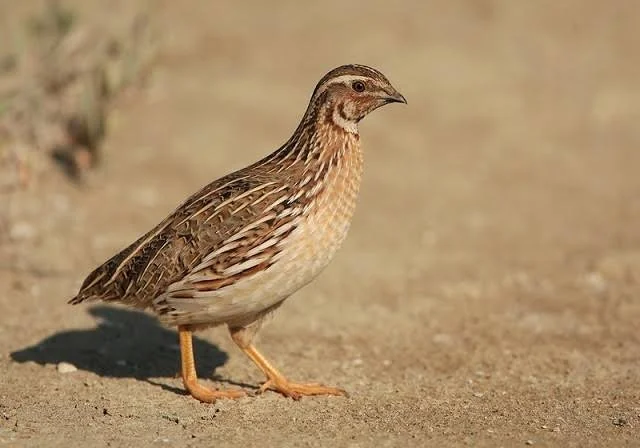
Quails are small birds that spend lots of time on the ground.
Their brown, patterned feathers help them hide from predators.
Quails can fly, but usually only for short distances.
Baby quails are called chicks.
Quail chicks can walk soon after they hatch.
Many quail eggs have beautiful dark spots.
Quails eat seeds, plants and small insects.
They make nests on or very close to the ground.
Quails enjoy taking dust baths.
A group of quails can be called a covey.
🐦 Pigeons
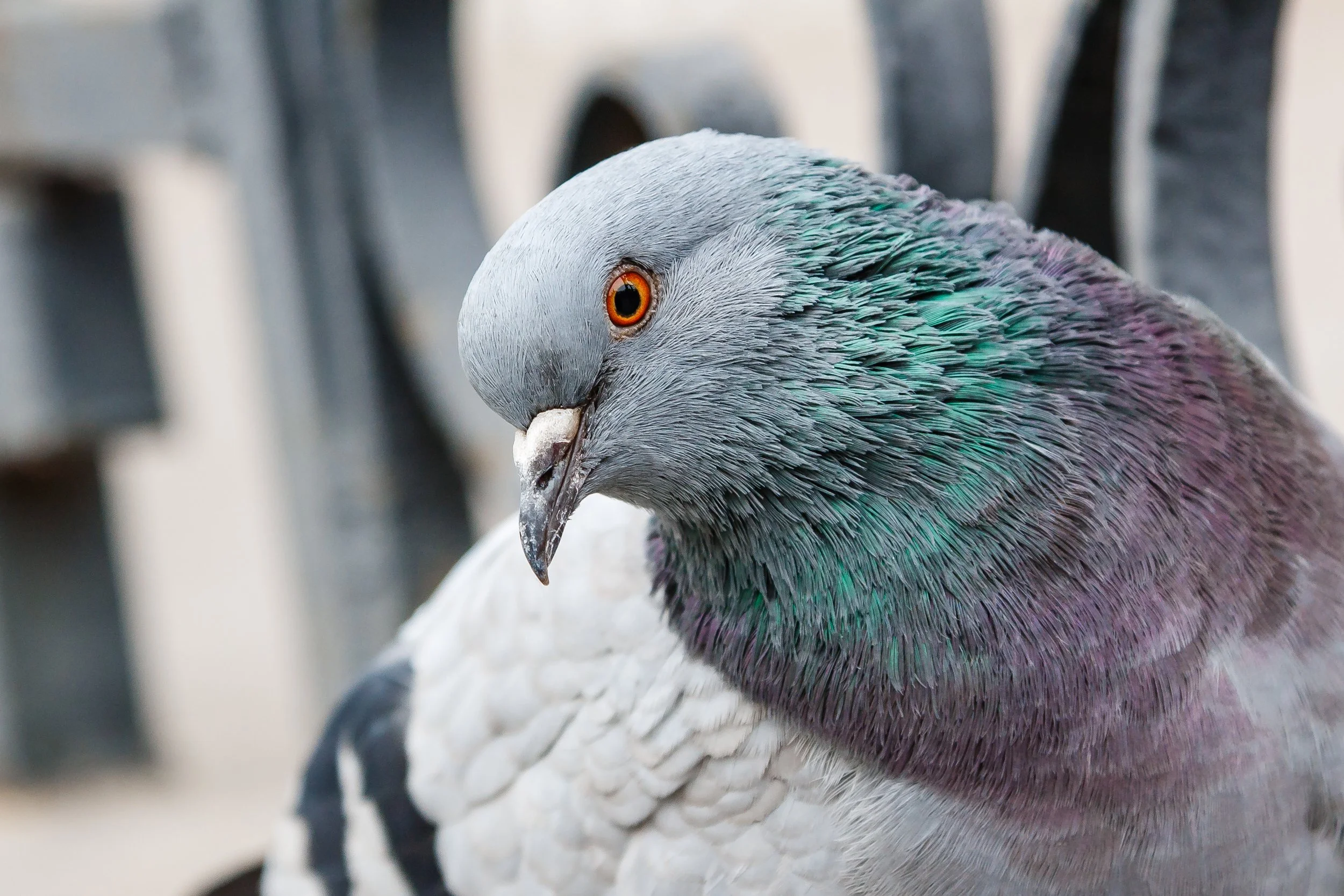
Baby pigeons are called squabs.
Pigeons have an amazing sense of direction.
They can find their way home from very far away.
Pigeons make a soft sound called cooing.
Both pigeon parents help care for their babies.
Both parents can make special food called crop milk.
Pigeons can learn to recognize individual human faces.
They can see ultraviolet light that humans cannot see.
Pigeons enjoy living together in groups.
Pigeons can drink water without lifting their heads each time.
🦆 Ducks
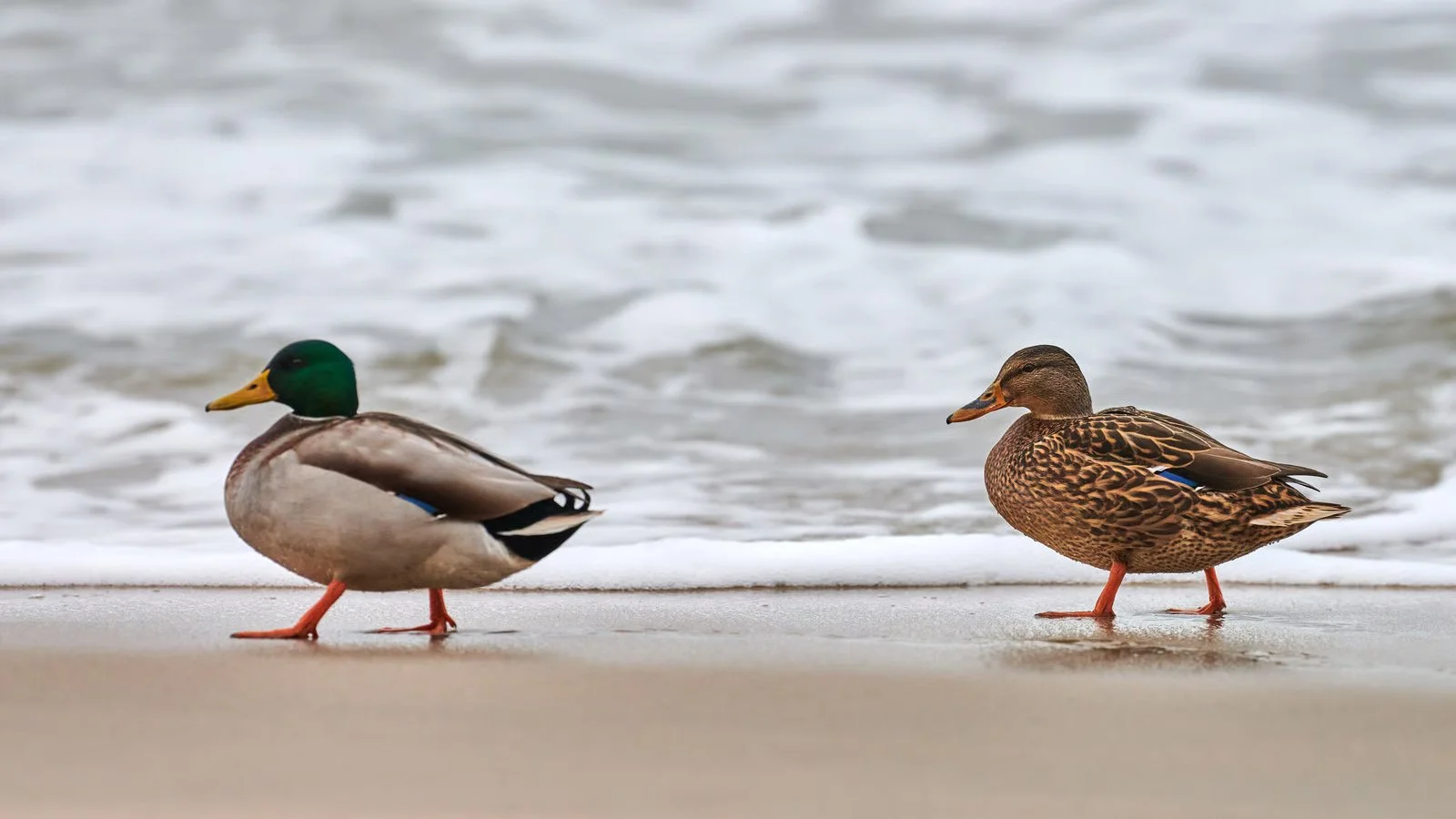
Baby ducks are called ducklings.
Ducks have webbed feet that work like paddles.
Their feathers have a special waterproof coating.
Ducks spread oil over their feathers while cleaning themselves.
A duck's bill helps it find and collect food.
Ducklings can swim very soon after hatching.
Not every duck makes the classic “quack.”
Some ducks can fly surprisingly fast.
Ducks eat plants, seeds, insects and other small foods.
Many ducks spend time both on land and in water.
🐢 African Spurred Tortoise
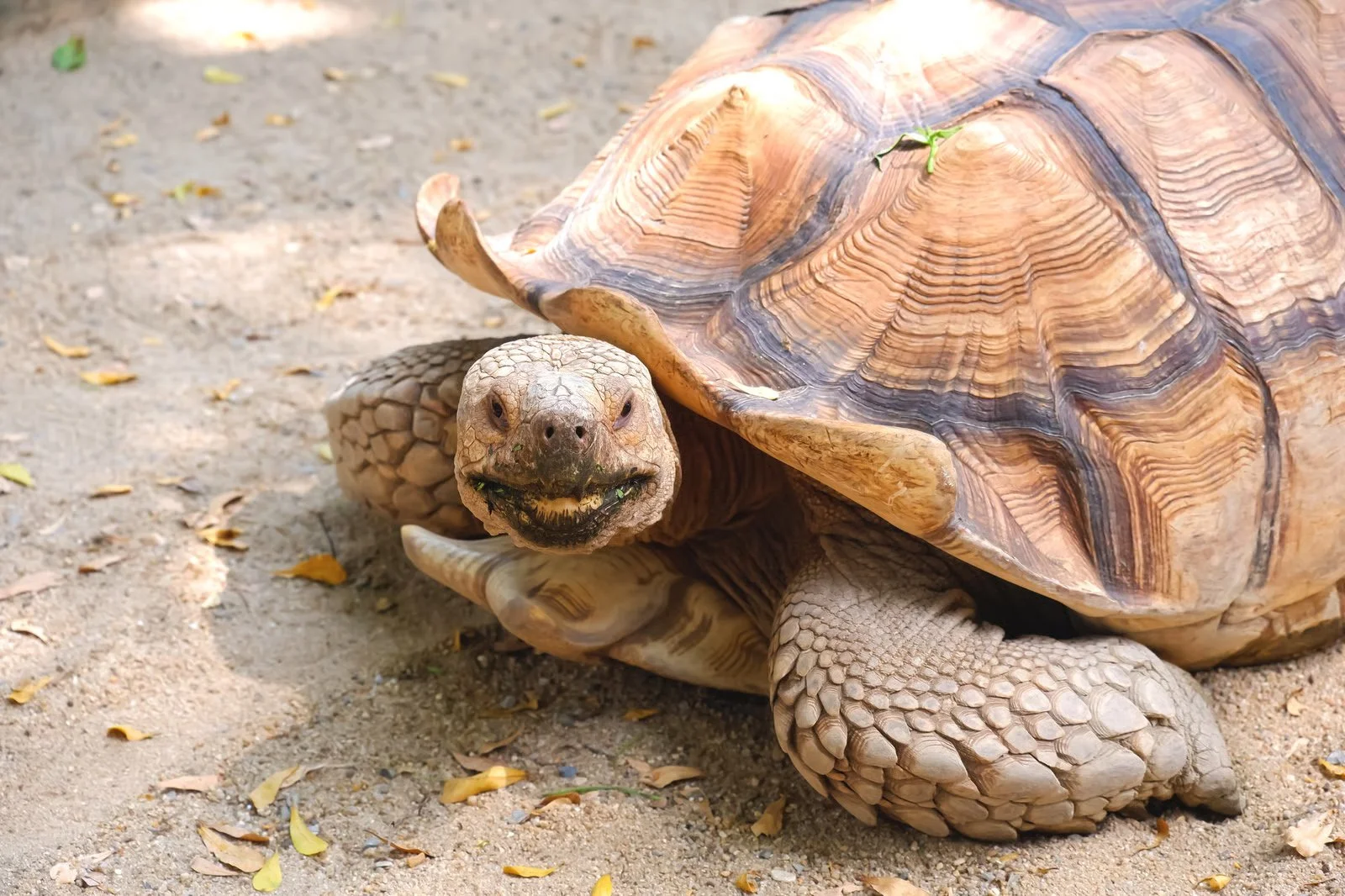
Sulcatas are the largest tortoises in mainland Africa.
They come from hot, dry parts of Africa.
They dig deep burrows to escape extreme heat.
Their powerful front legs make them excellent diggers.
Sulcatas mainly eat grasses and other plants.
They have no teeth — they use a strong beak.
Their shell grows as the tortoise grows.
Sulcatas can live for many decades.
Adults can weigh more than 40 kilograms.
The spurs on their legs give them the name “spurred tortoise.”
🐇 Rabbits
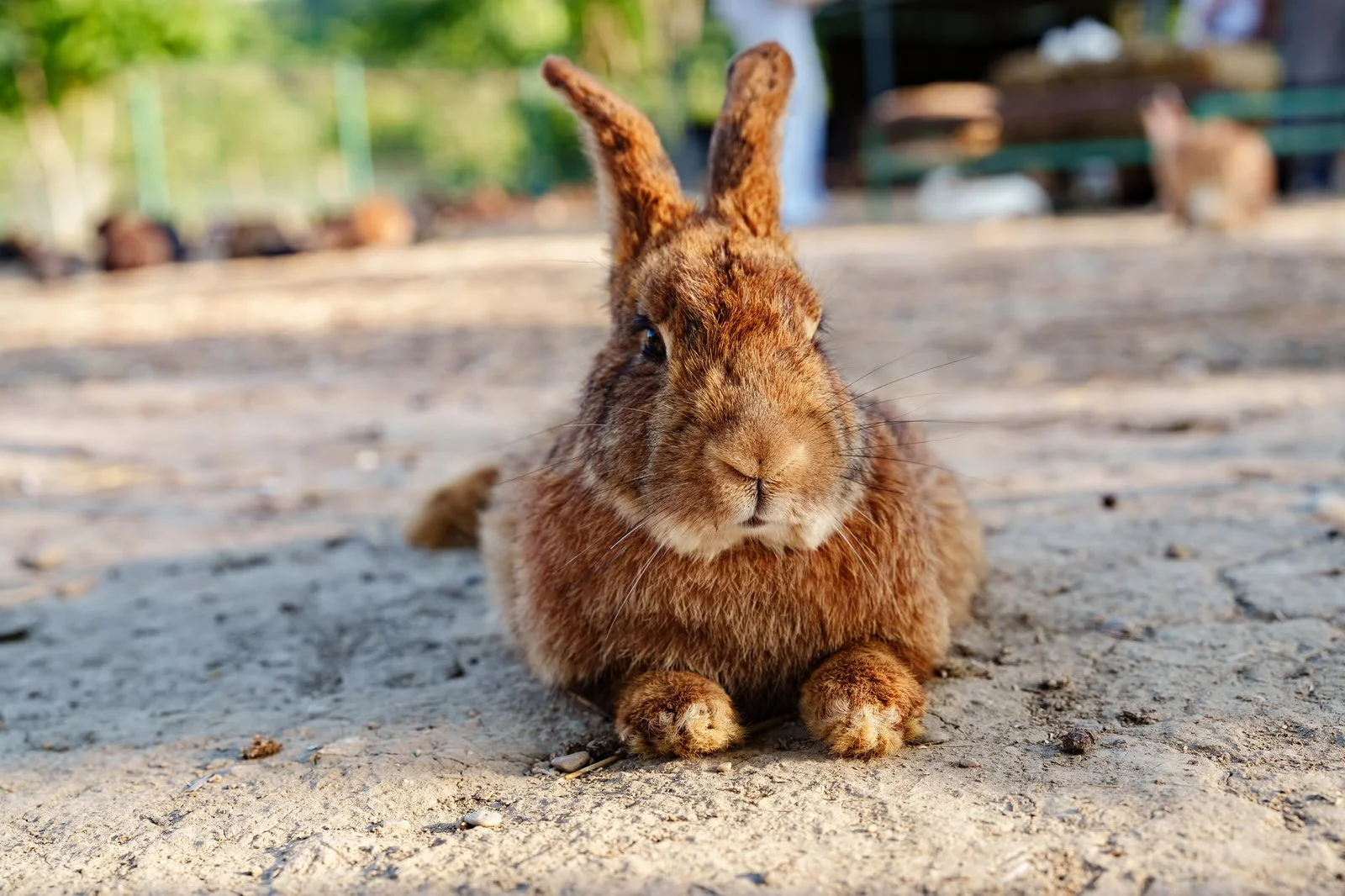
Baby rabbits are called kits.
Rabbits are not rodents — they are lagomorphs.
Their front teeth never stop growing.
Chewing plants helps keep their teeth healthy.
Their big ears help them hear danger.
Their ears also help their bodies cool down.
Rabbits can see almost all the way around themselves.
A happy jump and twist is called a binky!
Rabbits thump their back feet to warn others.
Wild rabbits dig underground homes called burrows.
🐴 Pony
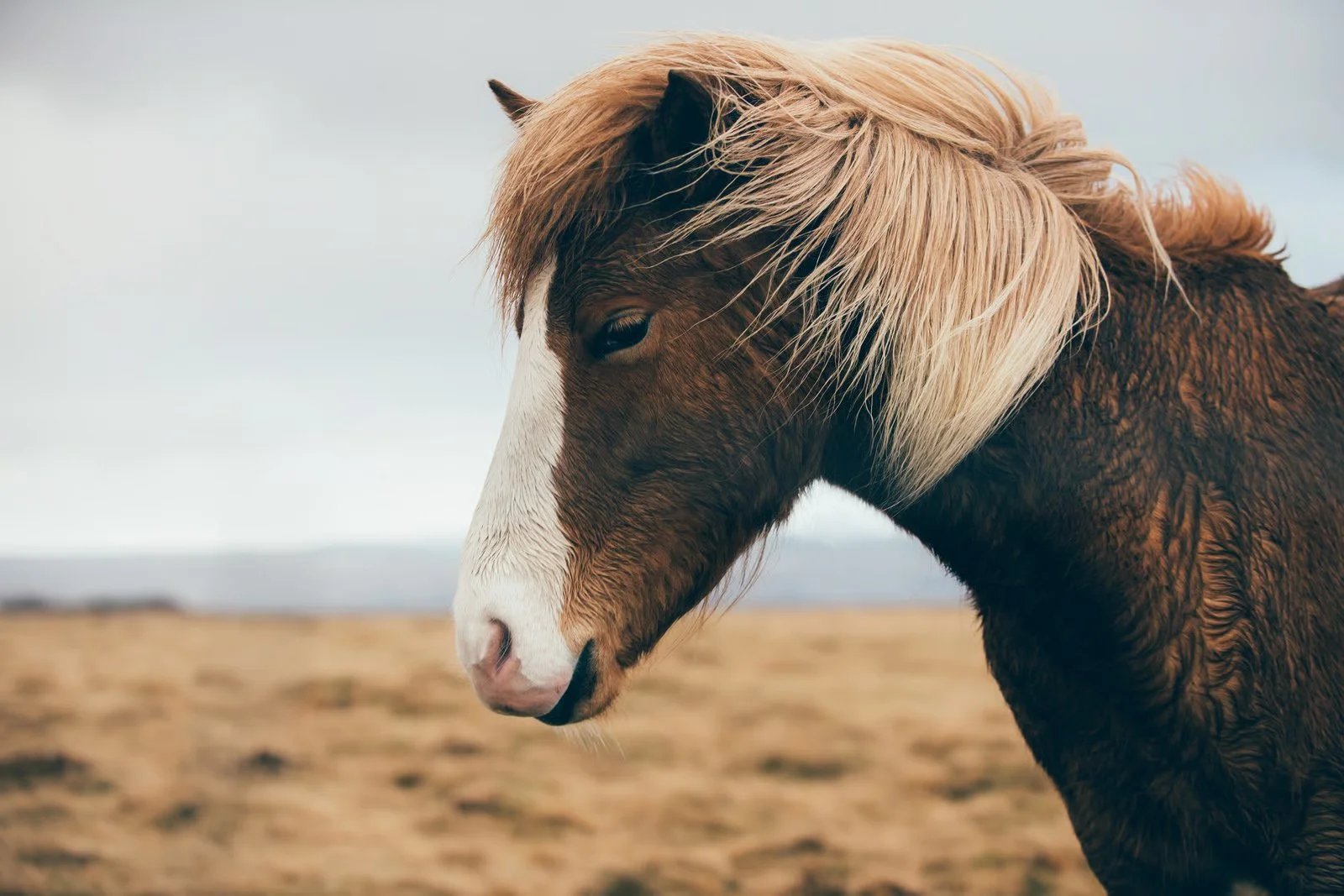
A pony is not a baby horse.
A baby pony or horse is called a foal.
Ponies are generally smaller than horses.
Many ponies are very strong for their size.
Their ears can move to listen in different directions.
A pony's ears can also show how it is feeling.
Ponies are social animals and enjoy companions.
Their hooves keep growing and need regular care.
Ponies can doze standing up but lie down for deep sleep.
A newborn foal can usually stand very soon after birth.